LIT · Lighting
Backlight Photography: Silhouettes, Rim Light and Flare
Shooting into the light is not a mistake. Learn how to meter, focus and compose for halos, silhouettes and controlled lens flare.
Diagrams
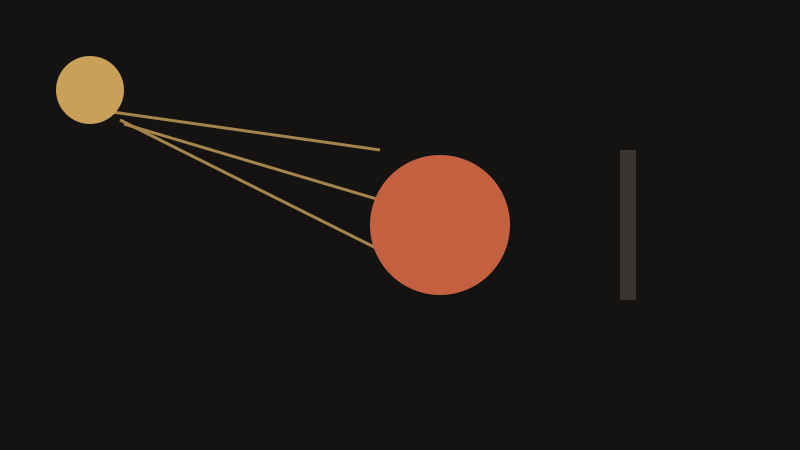
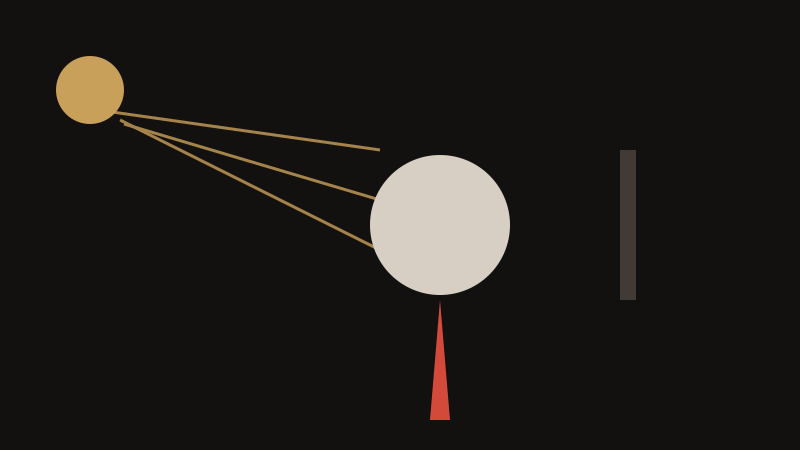
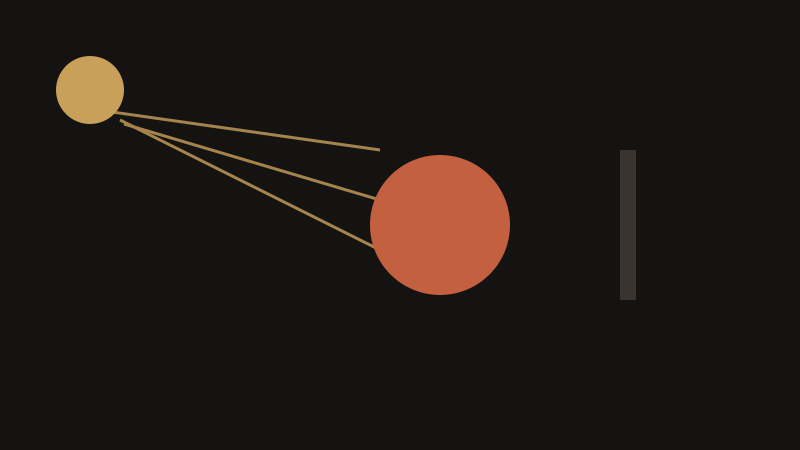
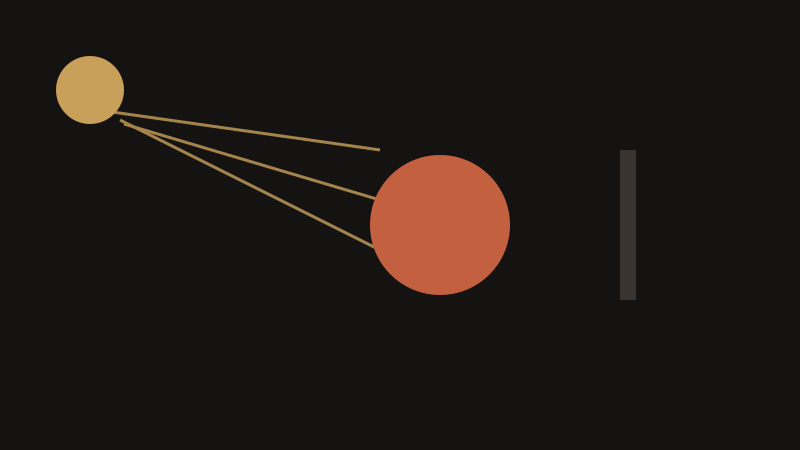
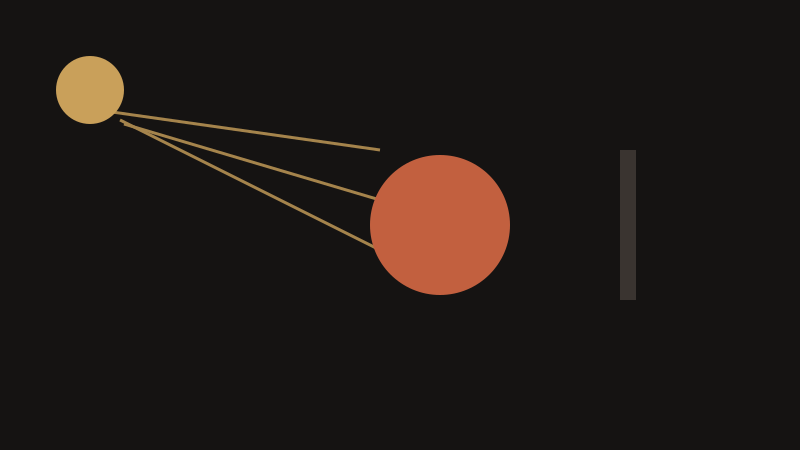
Backlight means the main light source sits behind your subject and points toward the camera. It changes what the light does: instead of describing the front of a face, it draws a bright outline, called rim light, around hair, shoulders or petals, and it makes thin, translucent things such as leaves, feathers and fabric glow from within. Push it further and the subject falls into a pure silhouette. Flare, haze and veiling glare come along for free, and in the hour around sunrise and sunset the whole effect is warm and low.
Exposure decides which picture you get. Your meter sees the bright background and darkens the scene, so choose deliberately. For a silhouette, meter the brightest sky and let the subject go black. For a lit face, switch to spot or centre-weighted metering, read the subject's cheek, and add +0.7 to +1.5 EV of fill with a reflector, a white wall, or a TTL flash set one to two stops below ambient. Shoot RAW, check the histogram, and protect the sky from clipping, because recovered highlights look grey rather than golden.
Autofocus struggles against a bright background because contrast is low on the shadow side. Use single-point AF placed on the subject's face, manual focus with peaking, or back-button focus, and shade the front element with your hand or a lens hood. Flare increases when the front element is dirty or fitted with a cheap filter, so clean the glass and remove unnecessary filters before you shoot.
For creative uses, place the sun just outside the frame for a clean rim, or right inside it and stop down to f/16 for a sunstar. Backlight is superb for translucent leaves, dust, smoke, spray and hair, and it flatters couples and children because nobody has to squint. Watch your own shadow, keep the background uncluttered, and expect to reframe constantly as the sun moves.
Key points
- Meter for the sky to get a silhouette, or spot-meter the face and add fill to keep skin detail.
- Add +0.7 to +1.5 EV of fill with a reflector, white wall, or a TTL flash set below ambient.
- Focus carefully on the shadow side using single-point AF or manual focus with peaking.
- Clean the lens and remove cheap filters, and use a lens hood or your hand to cut veiling flare.